
Learning to Be a Better Friend
Even When It’s Really Hard
I had to learn the hard way, multiple times, before it actually sank in. Your friends are not asking for your advice. Almost ever. And the sooner you accept that, the better friend you will become.
This sounds simple. It is not simple. It took me losing a friendship, getting it back, losing my mind over people I loved making choices I disagreed with, and eventually just getting tired of being angry at situations I had no control over before I actually changed how I showed up for the people I care about.
I think a lot of us are learning friendship for the first time in our 20s. Nobody really teaches you how to handle conflict, how to support someone without absorbing their problems, or how to love someone while still letting them make their own choices. A lot of us are just figuring it out through trial and error.
So let’s talk about it.
Advice Nobody Asked For
When you’re young, high school, early college and your friend is crying to you about a boy or a friendship situation, the instinct is to fix it. You give advice. You tell them what you would do. You say things like you deserve better and I don’t understand why you put up with that and just leave as if it’s that simple, as if you’re the one who has to live inside their relationship and their feelings and their history with that person.
I did this constantly. And I lost a friendship over it.
Not because I was wrong, necessarily. But because I kept giving advice that wasn’t asked for, kept getting frustrated when it wasn’t taken, kept letting my feelings about her situation bleed into how I showed up for her, until eventually I was so irritated every time she brought the person up that the friendship became genuinely untenable for me. I pulled away. We didn’t talk for about a year.
And I’ve been the bad friend in this situation too. I think it’s easy to read this and think, “Yeah, my friend needed to hear this.” But I think most of us have been on both sides. I’ve been the person giving too much advice. I’ve been the person who thought I knew what was best. I’ve been the person who made someone else’s problem my own because I cared so much.
Caring about someone does not mean taking ownership of their choices.
And in that year, my sister helped me understand something I hadn’t really absorbed before. Long-term friendships cannot be replaced. You cannot go out and find a new friend who has known you since you were a teenager, who has context for who you’ve been across multiple versions of yourself, who was there for the things that shaped you. Long-term friendships are built over years and they are maintained by doing the work of staying friends, which sometimes means figuring out how to get through a conflict rather than letting it end something irreplaceable.
I reached back out. We became close again. And I had to change how I operated in that friendship.
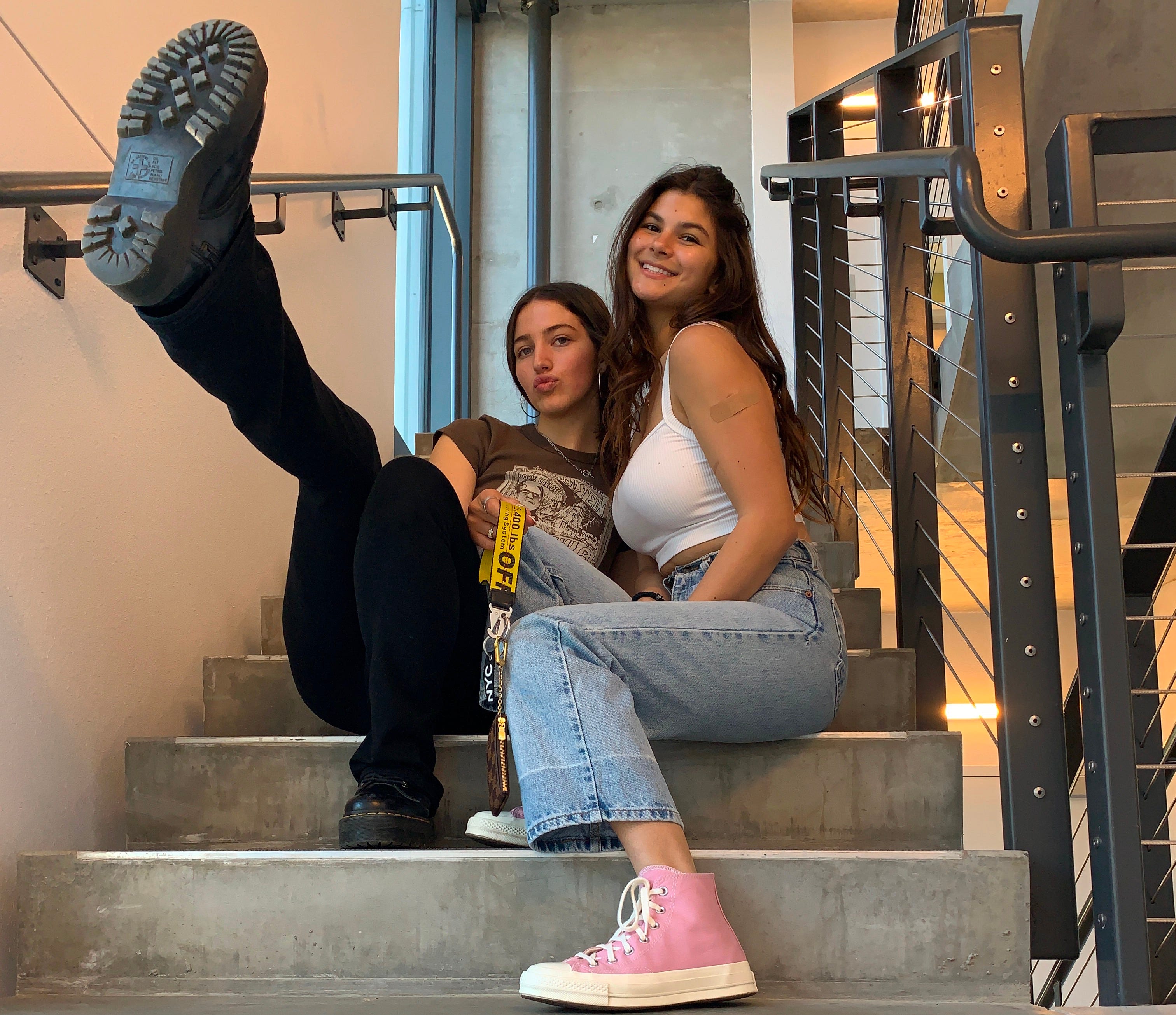
I decided that unless someone specifically asks me what would you do? or what do you think I should do? I don’t offer my opinion. I listen. I validate. I let them vent.
Your job as a friend is not to be their therapist, their parent, or their relationship manager. Your job is to be their friend.
This sounds passive, but it’s one of the more active and demanding things you can do as a friend. Sitting with someone in their mess without trying to clean it up, without inserting your judgment, without steering them toward the conclusion you’ve already arrived at, that takes real restraint, especially when you love them and you think you can see something they can’t.
You are seeing maybe 5% of their relationship. You see what they tell you when they’re upset. You don’t see the good moments, the private tenderness, the full context of why they’re still in it. You’re making a judgment about something you only have a sliver of information about, and then you’re getting angry when they don’t act on that judgment. That’s not fair to them.
I had to remind myself of this when people gave me unsolicited opinions about my relationship. We’ve been together since I was 16. People told me constantly, especially in college that I shouldn’t have a boyfriend in college, that long distance never works, that dating an athlete is a bad idea. And I had to be really firm with myself. I am the only one in this relationship. I am the only one who knows how Max loves me, what his commitment looks like, what we’ve built together. Nobody else gets a vote on whether that’s worth it.
If I needed that grace extended to me, I needed to extend it to others.

Who to Go to for Advice & Who Not to
One thing I’ve gotten much more intentional about as I’ve gotten older is being very careful about whose advice I seek out.
If you’re going through a friendship conflict and you want outside perspective, don’t go to someone who doesn’t have good long-term friendships. Their advice will reflect their patterns, not the outcome you’re trying to create. If you want advice about a romantic relationship, don’t go to someone who has a complicated or unhealthy relationship history and ask them how to navigate yours. You’re going to get advice that comes from their wounds, not from the kind of relationship you actually want to have.
Go to the person who has what you want. The friend who has a handful of close, long-term, stable friendships. The person in a relationship that looks like what you’re hoping for. Not because they’re smarter or better than anyone else, but because the patterns they’re drawing from are actually relevant to the outcome you’re working toward.
This sounds obvious and I think most people don’t do it. We go to whoever is available, whoever is willing to listen, whoever will validate what we already want to hear. And then we wonder why the advice doesn’t help.

Watching Someone Stay
This is genuinely one of the most difficult things about being a good friend, and I don’t want to minimize how hard it is.
Watching someone you love stay in a friendship or relationship that you can see is hurting them and not being able to do anything about it, is its own kind of painful. Obviously, this changes when there is abuse, manipulation, isolation, or someone’s safety is at risk. That is not the same as disagreeing with someone’s choices. There is a difference between saying “I’m worried about you” and saying “I don’t understand why you’re still with them.”
One comes from love. The other often comes from frustration. You’re watching it happen in slow motion. You know what you would do. You can see things from the outside that they can’t see from inside. And you have to just... be there, without fixing it.
What I’ve had to accept is that people don’t change when their friends are ready for them to. They change when they’re ready. When they’ve had the experiences they need to have, when something shifts internally, when they finally see clearly what they’ve been in. That timeline is entirely theirs and has nothing to do with how correct or urgent your advice was.
The friend who stays in a bad relationship often stays longer when they’ve lost their support system because of it. If a controlling partner or a toxic friend has pushed everyone away, leaving that situation becomes even scarier because where do you go? The most important thing you can do is make sure they know you’re still there. That no matter what, when they’re ready, you’ll be on the other side of it waiting.
That’s actually a profound act of love. It’s not passive. It’s choosing to stay close even when you disagree, so that when things shift, they have somewhere to land.
A Few Things I’ve Learned to Never Do
Don’t talk badly about their partner or friend to other people in the shared friend group. This almost always gets back to them. And when it does, they’ll stop telling you things because they know you’re not a safe container for what’s actually going on. You lose access to the real relationship, which means you also lose the ability to actually support them.
Don’t share their secrets or overshare what they’ve told you, even after a friendship breakup. The chances of reconnecting with that person are high. The chances of running into mutual friends who will relay what you said are even more probable. I’ve had people come to me after a friendship ended and tell me what they actually thought about our dynamic the whole time and it recalibrated how I saw things. People do that in both directions.
Don’t make your feelings about their situation so obvious that they stop sharing. If every time they mention a person, your face changes or your voice tightens or you launch into what they should do, they will notice. And they will stop telling you things. Not because they don’t trust you, but because they already know your response and they’re not in a place to hear it. You’ll end up with less information and less influence, not more.
Be careful what you say about someone’s partner when things are bad. Relationships and friendships go through rough patches. What you say when your friend is in the middle of a terrible week about their partner doesn’t disappear when things improve. If they get back together and often they do, they now know exactly what you think about the person they love. And that changes things between you.

Being the Friend Who’s Struggling
I also want to say something for the person on the other side of this, the one who’s in the situation their friends don’t fully understand.
You are not obligated to share things with people who make you feel judged. If you have a friend whose response every time you bring up your relationship is to tell you why you shouldn’t be in it, it is completely reasonable to stop bringing it up. You’re not being deceptive. You’re protecting yourself from a dynamic that isn’t helping.
That said, be honest with yourself about why you’re not sharing. There’s a difference between not sharing because your friend is not supportive, and not sharing because you know on some level that what they’d say is probably true and you’re not ready to hear it. Both of those things can be happening simultaneously and it’s worth sitting with which one is driving the quiet.
Also the people who have known you longest, who loved you before the new relationship or friendship, who knew you when you were just you, keep those people close. Those relationships are the ones that ground you, that give you perspective, that still exist when everything else shifts. Don’t let any new dynamic, no matter how consuming it feels, be the thing that cuts you off from your roots.

What Being a Good Friend Actually Looks Like
A good friend listens without immediately problem-solving. A good friend asks do you want my thoughts or do you just need to vent? before launching into advice. A good friend holds space for someone being in a place they wouldn’t be in themselves, without making that person feel stupid or naive for being there. A good friend trusts that the people they love are capable of figuring things out in their own time and stays close enough to be there when they do.
A good friend also knows when something is serious enough to say something directly. Genuine safety concerns, situations that are escalating in dangerous ways, things that cross lines that can’t be uncrossed, those warrant a conversation. That’s different from not liking someone’s boyfriend because he’s messy, or not vibing with a friend’s new best friend because the dynamic feels a little off. Know the difference between intervening because you see harm and intervening because you’re uncomfortable.
The older I get, the more I realize that most of what I thought was good friendship advice in my younger years was actually me projecting my own values and preferences onto someone else’s life and getting frustrated when they didn’t apply them. That’s not friendship. That’s just control in a caring outfit.
Real friendship is staying when you disagree. Showing up even when it’s inconvenient. Being the person they know they can call at any stage of whatever they’re going through, not just when they’re following the path you’d choose for them, but when they’re deep in something hard and need someone to just be there.
I think we’re all just learning how to do this for the 1st time. We’re learning how to love people without controlling them. How to support people without losing ourselves. How to be honest without being judgmental.
I’m still learning how to be a better friend. I know I’ll probably get it wrong again because I’m human, but I think the goal is becoming someone people feel safe with.
Someone who can tell you the truth when you need to hear it, but also someone who can sit next to you while you figure things out on your own.